Automotive Bearing Industry Trends 2026: EVs, Materials, and Global Supply Chain
The global automotive bearing industry is undergoing its most significant transformation in decades. Valued at approximately USD 42 billion in 2025 and projected to reach USD 58 billion by 2030 (CAGR 6.7%), the market is being reshaped by electrification, material science breakthroughs, digital manufacturing, and geopolitical supply chain realignment.
For procurement professionals, OEM/ODM partners, and automotive engineers, understanding these shifts is not optional — it's essential for strategic sourcing, cost optimization, and maintaining competitive advantage.
In this in-depth analysis, we explore the six key trends defining the automotive bearing industry in 2026 and what they mean for your business.
Trend 1: EV-Specific Bearing Requirements
The accelerating transition to electric vehicles (EVs) is fundamentally changing bearing specifications. Unlike internal combustion engine (ICE) vehicles, EVs present unique challenges:
- Higher RPM operation: EV drive motors operate at speeds of 12,000-20,000 RPM — nearly double that of many ICE ancillaries. Bearings must withstand these speeds without excessive heat generation or premature fatigue.
- Different load profiles: The instantaneous torque delivery of electric motors creates different stress patterns on wheel hub bearings and transmission bearings compared to gradual ICE torque curves.
- NVH reduction demands: Without engine noise to mask mechanical sounds, bearing noise becomes far more noticeable. EV manufacturers specify lower noise thresholds (typically below 30dB) for suspension and drivetrain bearings.
- Thermal management: Battery thermal management systems and regenerative braking create unique thermal cycles that bearings must tolerate.
- Lightweighting: Every gram counts in EV range optimization, driving demand for compact, lightweight bearing designs without compromising load capacity.
The EV bearing market alone is expected to grow at CAGR 12.3% through 2030, significantly outpacing the overall bearing market growth rate.
Trend 2: Advanced Materials Innovation
Material science is delivering breakthrough performance improvements in automotive bearings:
ACeramic Hybrid Bearings
Silicon nitride (Si₃N₄) ceramic balls combined with steel races offer 40% lower friction, 60% higher speed capability, and 3x longer fatigue life compared to full steel bearings. While still premium-priced (3-5x conventional bearings), ceramic hybrids are gaining traction in EV drivetrains and high-performance suspension applications.
BLow-Friction Coatings
Diamond-like carbon (DLC), tungsten disulfide (WS₂), and advanced polymer coatings reduce friction coefficients to as low as 0.05 — comparable to lubricated systems — in dry running conditions. These coatings are increasingly specified for suspension bearings where maintenance access is limited.
CSelf-Lubricating Polymers
Advanced engineering polymers (PEEK, PTFE composites, polyamide blends) with embedded solid lubricants are replacing traditional metal and rubber components in dust covers, seals, and low-load bearing cages. These materials reduce weight by up to 50% while providing maintenance-free operation for the bearing's service life.
Chilong Bearing Technology has invested significantly in material R&D, developing proprietary rubber compounds and polymer blends optimized for suspension bearing applications where durability, low friction, and environmental resistance are critical.
Trend 3: Smart Manufacturing and Industry 4.0
Digital transformation is revolutionizing bearing production. Key developments in 2026 include:
- AI-powered quality inspection: Computer vision systems using deep learning algorithms detect minute surface defects (as small as 10 microns) at production line speeds of 120+ parts per minute.
- Digital twins: Bearing manufacturers create virtual replicas of production lines, enabling predictive maintenance, real-time optimization, and reduced downtime of 15-25%.
- IoT-enabled traceability: Every bearing can now be traced from raw material batch through heat treatment, grinding, assembly, and final inspection. QR codes or RFID tags provide full supply chain visibility.
- Automated assembly cells: Robotic workstations handling bearing assembly, greasing, and sealing reduce human error and improve consistency, particularly for high-precision suspension bearing assemblies.
- Real-time SPC (Statistical Process Control): Sensors on grinding and honing machines feed dimensional data into SPC systems that automatically adjust process parameters to maintain Cpk values above 1.67.
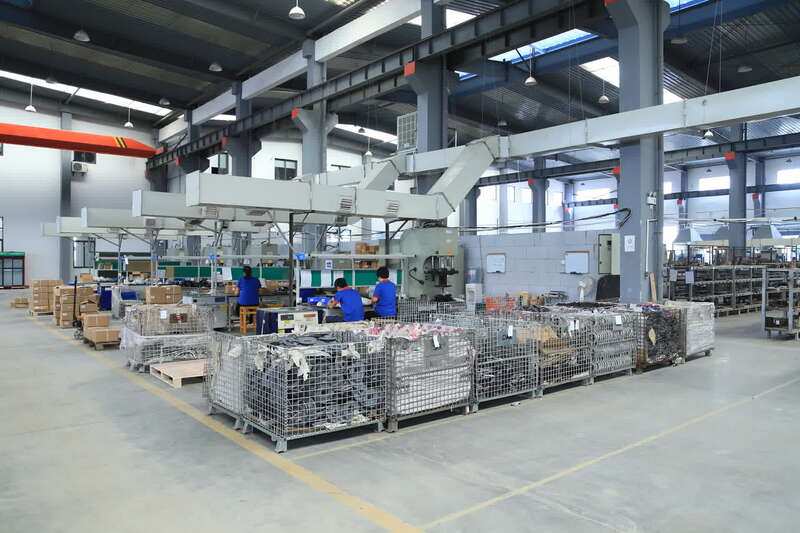
Chilong has implemented Industry 4.0 principles across our production facilities, including automated assembly lines with integrated vision inspection for critical suspension bearing components.
Trend 4: Supply Chain Diversification
Geopolitical tensions and pandemic-learned lessons continue to drive supply chain restructuring in 2026:
- China Plus One: Global OEMs and Tier 1 suppliers are establishing secondary sourcing outside China while maintaining Chinese supply for cost competitiveness. Vietnam, India, and Mexico are primary beneficiaries.
- Near-shoring to North America and Europe: The US Inflation Reduction Act and EU Critical Raw Materials Act are incentivizing regional bearing production. New bearing plants in Mexico and Eastern Europe are shortening supply chains for regional automotive assembly.
- Inventory optimization: The shift from Just-in-Time to Just-in-Case inventory strategies means procurement teams are maintaining 4-8 weeks of safety stock for critical bearing SKUs, up from 1-2 weeks pre-pandemic.
- Raw material security: Strategic partnerships with specialty steel and ceramic producers are becoming critical. Bearing manufacturers are locking in multi-year supply agreements for bearing-grade steel (100Cr6/SUJ2 equivalents).
For procurement professionals: This diversification creates opportunity. Evaluating suppliers across multiple regions — including Chinese manufacturers with IATF 16949 certification and proven export capabilities — provides both cost optimization and supply security. Chilong serves clients across 6 continents with reliable lead times and consistent quality.
Trend 5: Sustainability and Green Manufacturing
Environmental sustainability is no longer a differentiator — it's a baseline requirement. Key developments in 2026 include:
- Carbon footprint reduction: Leading bearing manufacturers are targeting 30-50% reduction in Scope 1 and 2 emissions by 2030. This includes switching to electric furnaces, renewable energy procurement, and heat recovery systems.
- Eco-friendly lubricants: Biodegradable greases and lubricants with lower environmental impact are being specified, particularly for suspension bearings where leakage could reach roadways.
- Recycled content: Use of recycled steel in bearing rings and cages is increasing. Some manufacturers now offer bearings with 25-50% recycled content without compromising performance specifications.
- Packaging reduction: Reusable packaging systems and elimination of single-use plastics are becoming standard in B2B bearing supply chains. Chilong has transitioned to 100% recyclable packaging for all export shipments.
- Lifecycle assessment (LCA): OEMs are increasingly requesting LCA data for bearing components. Manufacturers that can provide verified environmental product declarations (EPDs) have a competitive advantage in procurement evaluations.
Trend 6: Increasing Demand for Integrated Suspension Modules
Automotive OEMs and Tier 1 suppliers are moving toward modular suspension designs, where multiple components are pre-assembled into a single unit. This trend has significant implications for bearing suppliers:
- Pre-assembled top mount + bearing units: Combining the strut mount (top mount) with the integrated bearing in a single pre-assembled module reduces assembly time at vehicle plants by 30-40%.
- Smart suspension integration: Electronically controlled suspension systems require bearings that can interface with sensors and actuators, creating demand for hybrid electro-mechanical bearing assemblies.
- Full module supply: Bearing manufacturers that can supply complete suspension sub-assemblies (bearing + mount + dust cover + bump stop) are becoming preferred partners over individual component suppliers.
- Design collaboration: Early supplier involvement (ESI) in suspension module design is becoming standard. Suppliers with in-house R&D and testing capabilities add significant value in module optimization.
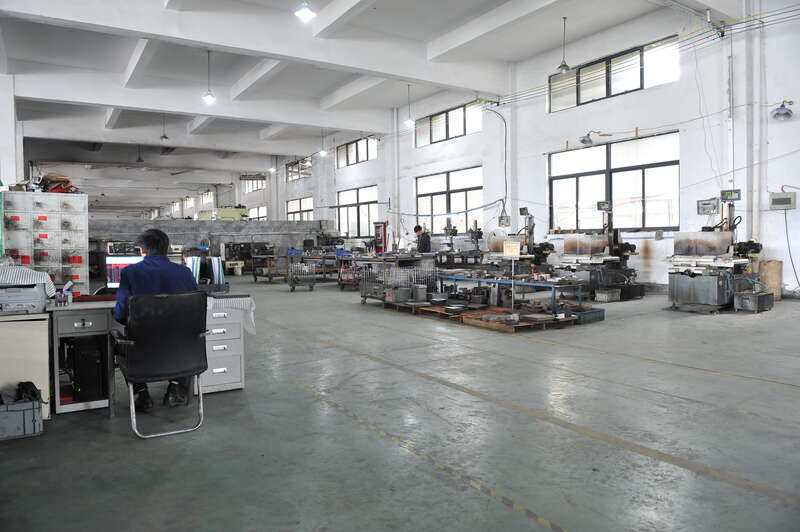
Chilong's vertically integrated manufacturing — from rubber compounding and metal stamping to final assembly — positions us as an ideal partner for modular suspension component supply.
What These Trends Mean for OEM and ODM Suppliers
The converging trends of 2026 present both challenges and opportunities for bearing manufacturers and their supply chain partners:
| Trend | Challenge | Opportunity |
|---|---|---|
| EV-specific bearings | Higher R&D investment required | Premium pricing for EV-grade products |
| Advanced materials | New processing technologies needed | Differentiation through material IP |
| Smart manufacturing | Capital expenditure for automation | Lower defect rates, higher throughput |
| Supply chain shifts | Complexity of multi-region sourcing | New markets and customer relationships |
| Sustainability | Compliance and reporting overhead | Preferred supplier status with OEMs |
| Integrated modules | Broader technical capability required | Higher value per unit, deeper partnerships |
How Chilong Bearing Technology Is Adapting
As a specialized manufacturer of automotive suspension bearings and components, Chilong is proactively addressing each of these trends:
- EV-focused R&D: Our engineering team is developing bearing designs optimized for the higher RPMs and specific NVH requirements of electric vehicles, including low-friction seal designs and enhanced grease formulations.
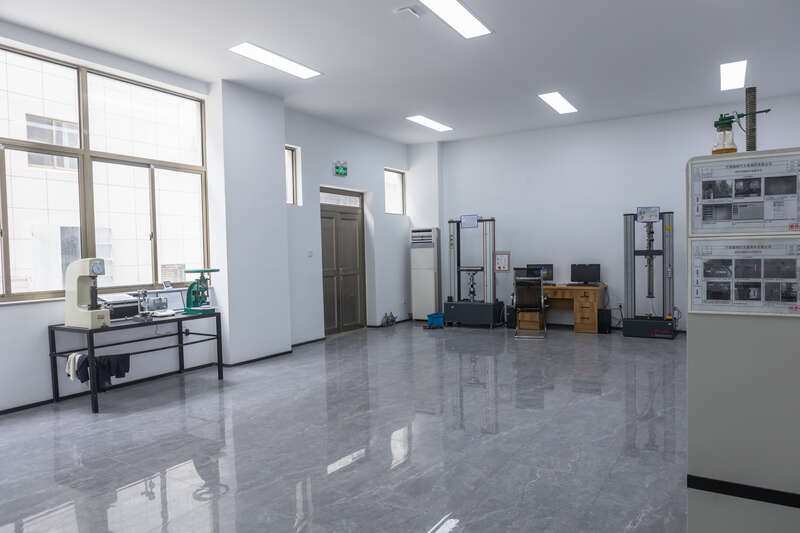
- Material innovation: We have expanded our material testing laboratory with advanced rubber analysis equipment (rheometers, DMA, aging ovens) to develop proprietary NR/SBR compounds with enhanced durability and temperature resistance.
- Automation investment: Three new automated assembly lines with integrated vision inspection were commissioned in Q1 2026, increasing production capacity by 40% while reducing defect rates below 50 PPM.
- Global service network: We have established distribution partnerships in North America, Europe, and Southeast Asia to provide local technical support and reduced lead times for international clients.
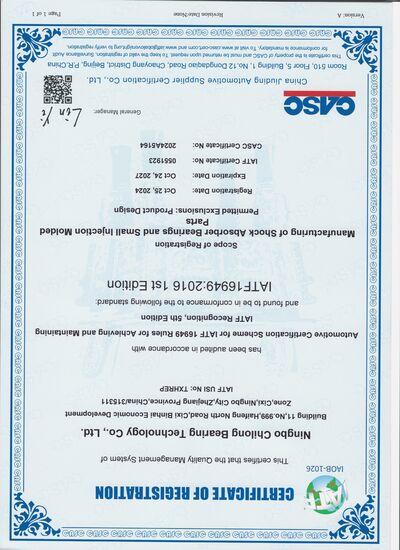
- Certification maintenance: Our IATF 16949:2025 transition audit is scheduled for Q3 2026, with scope expansion to cover our new R&D center and automated production lines.
- Sustainability roadmap: We are working toward carbon neutrality in our production operations by 2035, with interim targets of 20% emissions reduction by 2028 through solar installation and energy efficiency improvements.
Outlook for 2026-2027
Looking ahead, several developments will shape the next 18 months:
- Consolidation: The bearing industry will see continued M&A activity as mid-sized manufacturers seek scale for R&D investment and global reach.
- Price pressure: Raw material costs (bearing steel, specialty chemicals) are projected to rise 8-12% in 2026-2027. Procurement teams should secure pricing agreements early.
- Technology convergence: The lines between mechanical bearings and electronic components will blur as smart bearings with embedded sensors enter the market.
- Regional specialization: Chinese manufacturers will continue to dominate volume production of standardized bearings, while specialized high-value bearings will increasingly be sourced from regional suppliers near end markets.
- Standards evolution: New ISO and OEM-specific standards for EV bearings and sustainability reporting will create compliance requirements (and barriers) for smaller suppliers.
Conclusion: A Call to Action for Procurement Professionals
The automotive bearing industry in 2026 is characterized by rapid technological change, shifting supply dynamics, and increasing performance requirements. For procurement professionals, the implications are clear:
- Evaluate suppliers holistically — not just on price, but on technical capability, automation maturity, sustainability performance, and supply chain resilience.
- Build strategic partnerships with manufacturers that invest in R&D, quality systems, and production capacity aligned with your future vehicle platforms.
- Diversify intelligently — maintain primary and secondary supply sources, but ensure both meet your quality and certification requirements.
- Engage early — involve your bearing supplier in new vehicle platform development to optimize designs for manufacturability, cost, and performance.
Ningbo Chilong Bearing Technology Co., Ltd. is ready to be your strategic partner in navigating these industry trends. With IATF 16949 certification, advanced manufacturing capabilities, and a decade of suspension component expertise, we deliver the quality, innovation, and reliability that today's automotive industry demands.
Need Expert Advice on Bearing Sourcing?
Our team of technical specialists and procurement advisors can help you evaluate bearing options for your specific application. Contact us for technical specifications, samples, or bulk pricing.
Contact Our Team